

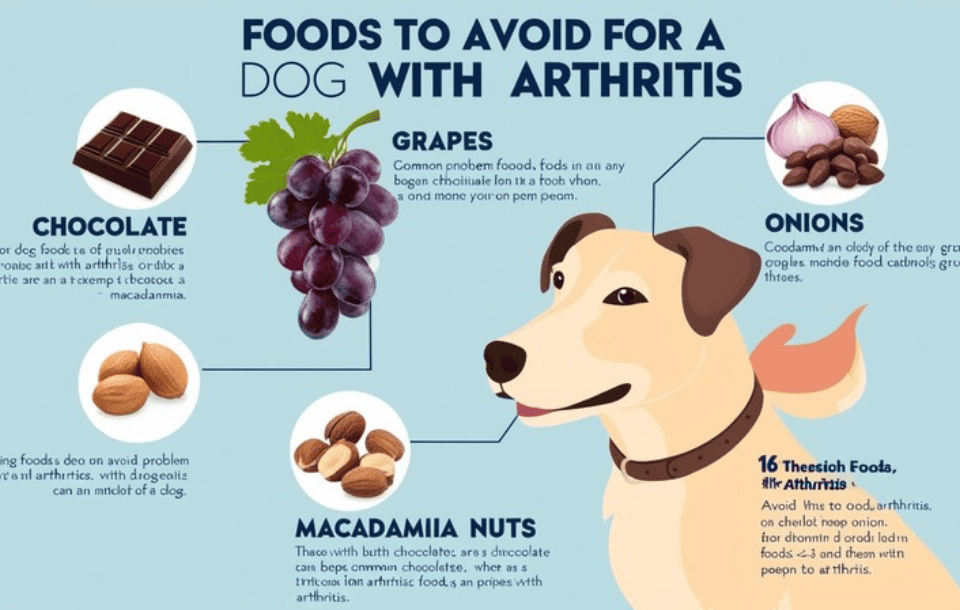
Arthritis in dogs is a common condition that causes joint pain, stiffness, and reduced mobility. While medications and physical therapy can help, diet plays a crucial role in managing symptoms and slowing disease progression. Certain foods can exacerbate inflammation, contribute to weight gain, or even harm your dog’s overall health. Here’s a breakdown of what to avoid feeding a dog with arthritis—and why.
Foods to Avoid for Dogs with Arthritis
1. High Omega-6 Fatty Acids
Examples: Corn oil, sunflower oil, soybean oil, processed meats (e.g., hot dogs, bacon).
Why Avoid?
Omega-6 fats, while necessary in small amounts, can promote inflammation when consumed in excess. Many commercial dog foods and treats use these oils as cheap fillers. Chronic inflammation worsens arthritis pain and stiffness.
Tip: Opt for foods rich in anti-inflammatory omega-3s (e.g., fish oil, flaxseed) instead.
2. Excessive Carbohydrates and Sugars
Examples: Low-quality kibble with corn/wheat fillers, sugary treats, baked goods.
Why Avoid?
Carbs and sugars contribute to weight gain, which places extra strain on already-sensitive joints. Obesity is a major risk factor for arthritis progression.
Tip: Choose high-protein, low-carb diets with whole ingredients like sweet potatoes or lentils for energy.
3. High-Sodium Foods
Examples: Processed snacks (chips, pretzels), deli meats, canned soups.
Why Avoid?
Too much salt can lead to dehydration and worsen kidney function, which is especially risky for older dogs or those on arthritis medications like NSAIDs.
Tip: Stick to fresh, unseasoned meats and veggies as treats.
4. Toxic or Harmful Ingredients
Examples:
- Xylitol (found in sugar-free peanut butter and gum): Causes rapid insulin spikes, leading to hypoglycemia or liver failure.
- Grapes/Raisins: Toxic to kidneys.
- Onions/Garlic: Damages red blood cells.
- Chocolate: Contains theobromine, which is poisonous.
Why Avoid?
These foods are dangerous for all dogs, but arthritic pets may be more vulnerable due to age or compromised health.
Tip: Always check peanut butter labels for xylitol, and keep human snacks out of reach.
5. Fatty or Fried Foods
Examples: Fried chicken, greasy table scraps, fatty cuts of meat.
Why Avoid?
High-fat foods can lead to pancreatitis (a painful inflammation of the pancreas) and weight gain, both of which strain joints.
Tip: Use lean proteins like chicken breast or turkey as training treats.
6. Dairy Products
Examples: Cheese, milk, ice cream.
Why Avoid?
Many dogs are lactose intolerant, and dairy can cause digestive upset. While not directly linked to arthritis, gastrointestinal issues can lead to weight fluctuations or discomfort.
Tip: Small amounts of plain yogurt (low-lactose) are usually safe if your dog tolerates it.
Common Misconceptions
- Grains: Unless your dog has a grain allergy, whole grains like brown rice or oats are not harmful and can provide fiber.
- Rawhide Chews: While not a food, these can be hard to digest and pose a choking risk. Opt for softer joint-supportive chews instead.
What to Feed Instead
Focus on a balanced diet with:
- Anti-inflammatory ingredients: Salmon, sardines, turmeric, blueberries.
- Lean proteins: Chicken, turkey, eggs.
- Joint supplements: Glucosamine, chondroitin, and MSM (often found in vet-recommended foods).
Final Tips
- Read labels: Avoid foods with artificial additives, fillers, or unnamed “by-products.”
- Portion control: Overfeeding, even healthy foods, can lead to weight gain.
- Consult your vet: Always discuss dietary changes with a professional, especially if your dog is on medication.
Summary Table: Foods to Avoid
| Category | Examples | Risk |
|---|---|---|
| High omega-6 fats | Corn oil, processed meats | Inflammation |
| Sugary carbs | Cheap kibble, muffins | Weight gain, insulin spikes |
| High sodium | Chips, deli meats | Dehydration, kidney stress |
| Toxic ingredients | Grapes, xylitol, chocolate | Organ failure, poisoning |
| Fatty/fried foods | Fried chicken, bacon | Pancreatitis, obesity |
By eliminating harmful foods and prioritizing anti-inflammatory, nutrient-rich options, you can help your arthritic dog stay active and comfortable. Always pair diet with vet-recommended treatments like joint supplements, physical therapy, or medications for the best results.


 English
[…] What should a dog with arthritis not eat? […]
https://knowlittle123.com/what-should-a-dog-with-arthritis-not-eat-a-guide-to-protecting-your-pups-joints/
[…] What should a dog with arthritis not eat? […]