

If your dog has arthritis, you’re likely searching for ways to ease their discomfort through diet. Scrambled eggs are a staple in many households, but are they safe—and beneficial—for dogs with joint issues? Let’s crack into the facts.
Short Answer: Yes!
Scrambled eggs (cooked plain) are safe and nutritious for most dogs with arthritis. They’re packed with high-quality protein, vitamins, and minerals that support overall health. However, moderation and proper preparation are key.
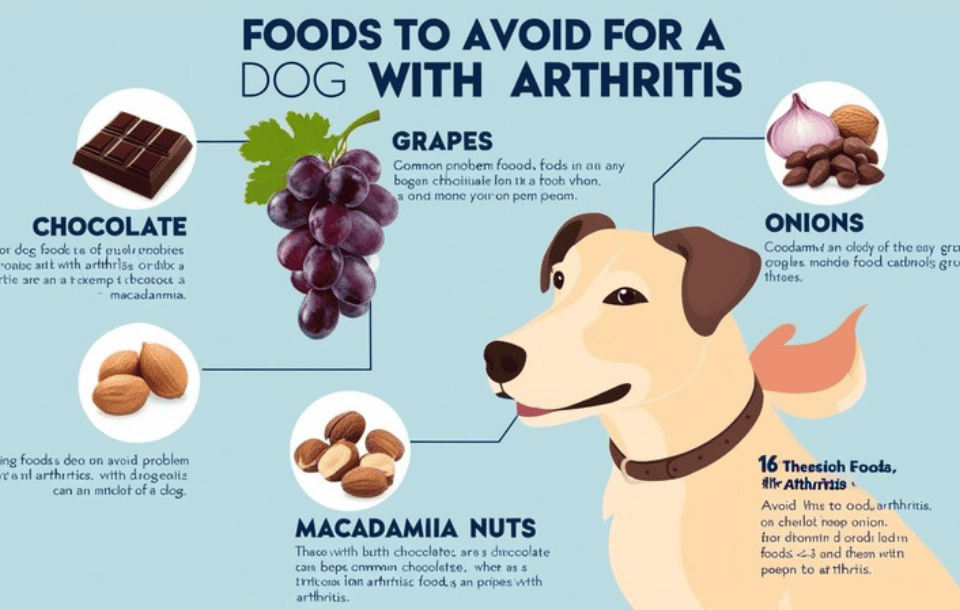
Why Scrambled Eggs Can Help Arthritic Dogs
1. High-Quality Protein
Eggs are a complete protein, meaning they contain all essential amino acids. Protein helps maintain muscle mass, which is critical for supporting weak joints and improving mobility in arthritic dogs.
2. Anti-Inflammatory Nutrients
- Omega-3 Fatty Acids: Eggs (especially from pasture-raised hens) contain small amounts of omega-3s, which reduce inflammation.
- Vitamin D: Supports bone health and immune function.
- Selenium: An antioxidant that combats oxidative stress linked to arthritis.
3. Low in Calories, High in Satiety
Eggs are filling but low in calories, making them a great treat for dogs needing to manage their weight. Excess weight worsens arthritis pain, so calorie control is crucial.
4. Easy to Digest
Soft, cooked eggs are gentle on the stomach, ideal for senior dogs or those with sensitive digestion.
Potential Risks of Feeding Eggs to Arthritic Dogs
While eggs are generally safe, there are a few caveats:
- Cholesterol Concerns
Egg yolks contain cholesterol, but dogs process dietary cholesterol differently than humans. Unless your dog has a specific condition (e.g., pancreatitis), moderate egg consumption is safe. - Allergies
Rarely, dogs can be allergic to eggs. Introduce them slowly and watch for itching, vomiting, or diarrhea. - Unhealthy Additives
Avoid scrambling eggs with butter, oil, salt, garlic, or onions. These additives can harm dogs or negate the health benefits.
How to Safely Prepare Scrambled Eggs for Dogs
- Keep It Simple: Cook eggs in a non-stick pan with no oil or seasoning.
- Small Portions: Feed eggs as an occasional treat or meal topper (1-2 times weekly).
- Guideline: 1 egg per 20 lbs of body weight.
- Mix with Arthritis-Friendly Foods: Combine scrambled eggs with:
- Steamed spinach (anti-inflammatory)
- A sprinkle of turmeric (enhanced with black pepper)
- A drizzle of fish oil (for extra omega-3s)

Eggs vs. Other Protein Sources for Arthritis
While eggs are beneficial, they shouldn’t replace a balanced diet. Pair them with other joint-supportive proteins:
- Salmon: Rich in omega-3s.
- Turkey: Lean and easy to digest.
- Cottage Cheese: Low-fat option for calcium and protein.
FAQ: Eggs and Canine Arthritis
Can eggs replace glucosamine supplements?
No. Eggs contain trace amounts of glucosamine in the shell membrane, but not enough to replace vet-recommended supplements.
Are raw eggs safe?
Raw eggs pose a risk of salmonella and biotin deficiency (due to avidin in egg whites). Always cook eggs for dogs.
Can I feed eggshells?
Crushed eggshells are a natural calcium source, but consult your vet first—excess calcium can harm some dogs.
The Bottom Line
Scrambled eggs are a nutrient-packed, arthritis-friendly treat when prepared plainly and served in moderation. They won’t cure arthritis, but they contribute to a diet that reduces inflammation, supports muscle strength, and promotes a healthy weight.
Always pair dietary changes with:
- Vet-prescribed joint supplements (e.g., glucosamine, chondroitin).
- Low-impact exercise (e.g., swimming, short walks).
- Regular weight monitoring.
Pro Tip: Use scrambled eggs to hide medications or supplements! Their mild flavor and soft texture make them a perfect vehicle for picky pups.


 English
[…] Are Scrambled Eggs Good for Dogs with Arthritis? Guide […]