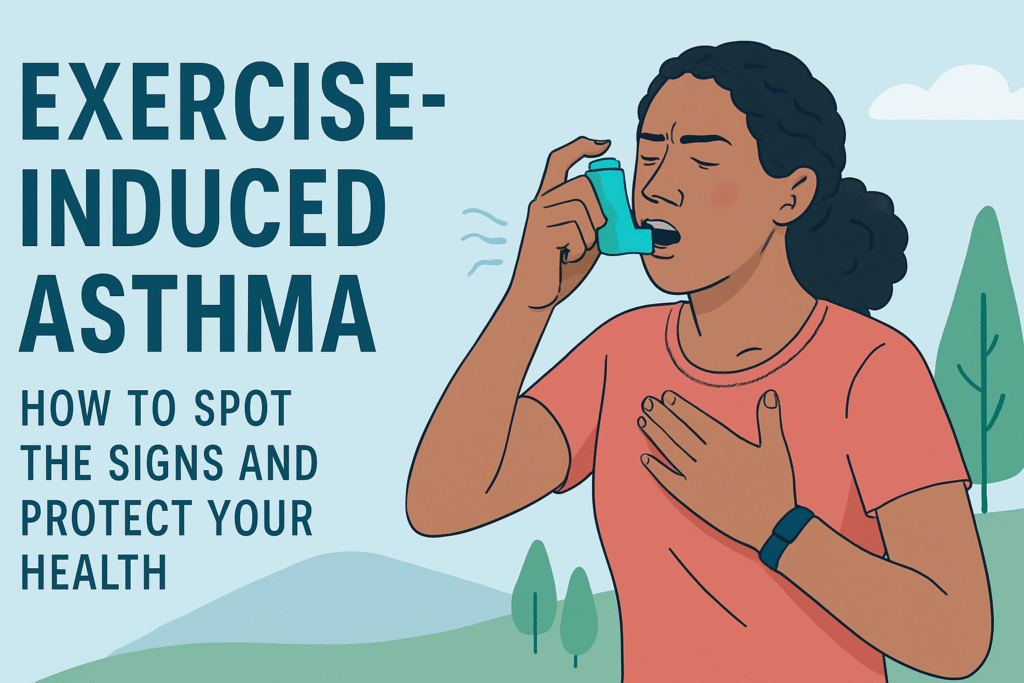
Exercise-Induced Asthma vs. Poor Fitness: How to Know What’s Holding You Back
Gasping for air mid-workout? Wondering, “Do I have exercise-induced asthma or am I just out of shape?” This guide breaks down the 5 key differences between EIA and fitness struggles—plus actionable fixes to breathe easier and perform better.

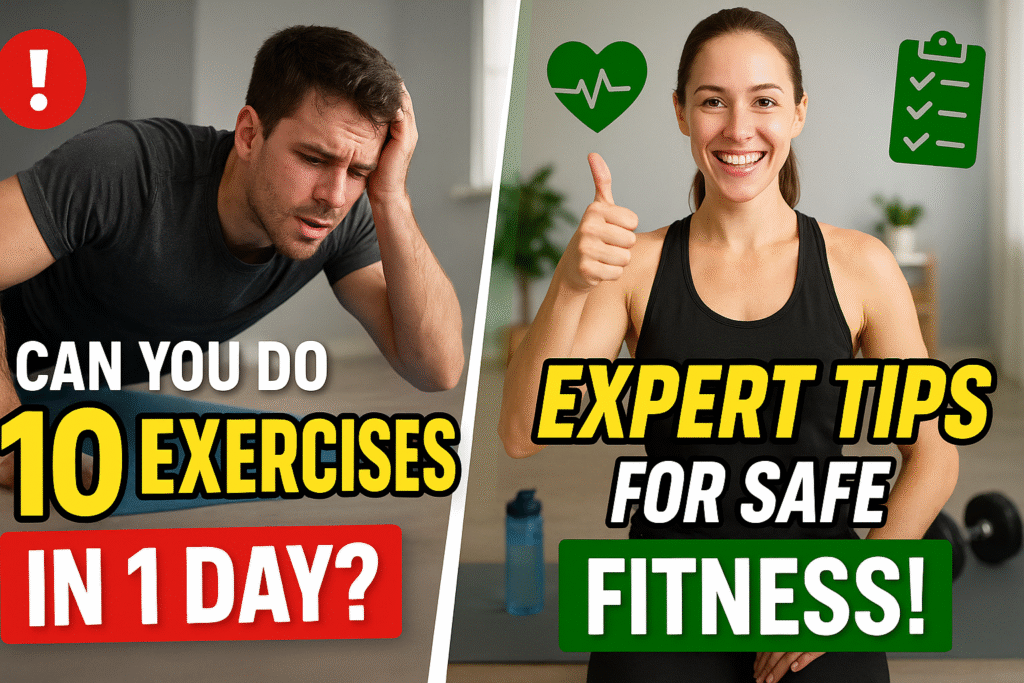
Exercise-Induced Asthma vs. Being Out of Shape: 5 Critical Differences
1. Timing of Symptoms
- EIA: Wheezing, coughing, or chest tightness peak 5–15 minutes after exercise.
- Poor Fitness: Breathlessness occurs during intense activity and eases quickly after resting.
2. Symptom Triggers
- EIA: Worse in cold/dry air, high pollen days, or with respiratory infections.
- Poor Fitness: Improves gradually with consistent training.
3. Recovery Speed
- EIA: Symptoms linger 30–60 minutes without medication.
- Poor Fitness: Breathing normalizes within 5–10 minutes of stopping.
4. Response to Medication
- EIA: Inhalers (e.g., albuterol) provide rapid relief.
- Poor Fitness: No improvement with asthma meds.
5. Exercise Endurance
- EIA: Sudden drop in performance despite prior fitness.
- Poor Fitness: Slow, steady progress with training.
⚠️ Warning: Chest pain or dizziness during exercise? Seek medical help immediately.
How to Confirm Exercise-Induced Asthma
- Spirometry Test: Measures lung capacity before/after exercise.
- Exercise Challenge: Monitors breathing during treadmill runs.
- Peak Flow Diary: Track airflow changes post-workout for 2 weeks.
Not Just Asthma?
Poor fitness often pairs with:
- Muscle fatigue (not just breathlessness).
- Gradual improvement over 4–6 weeks of training.
Fixes for Both Scenarios
If It’s Exercise-Induced Asthma:
- Use a pre-workout inhaler (as prescribed).
- Opt for warm, humid environments (e.g., indoor pools).
- Avoid high-pollen days or wear a mask.
If You’re Out of Shape:
- Start with low-intensity cardio (walking, cycling).
- Follow the 10% rule: Increase workout duration/intensity by 10% weekly.
- Pair exercise with protein-rich meals for muscle recovery.
Expert Insight:
“Misdiagnosing EIA as poor fitness can be dangerous. Always rule out asthma if symptoms feel ‘off.’”
— Dr. Sarah Kim, Cleveland Clinic (external DoFollow link)
FAQs
Q: Can you have both EIA and poor fitness?
A: Yes! Untreated EIA can worsen endurance, creating a cycle of struggle.
Q: How long until fitness improves breathing?
A: Most see progress in 4–8 weeks with consistent effort.
Still unsure? Bookmark this guide or share it with a friend navigating workout woes! 🏃♂️💨
 English