

Arthritis in dogs can lead to pain, stiffness, and reduced mobility, but a thoughtful diet can play a pivotal role in managing symptoms. Below, we address common questions about feeding dogs with arthritis, backed by veterinary insights.
What Foods Are Good for Dogs with Arthritis?
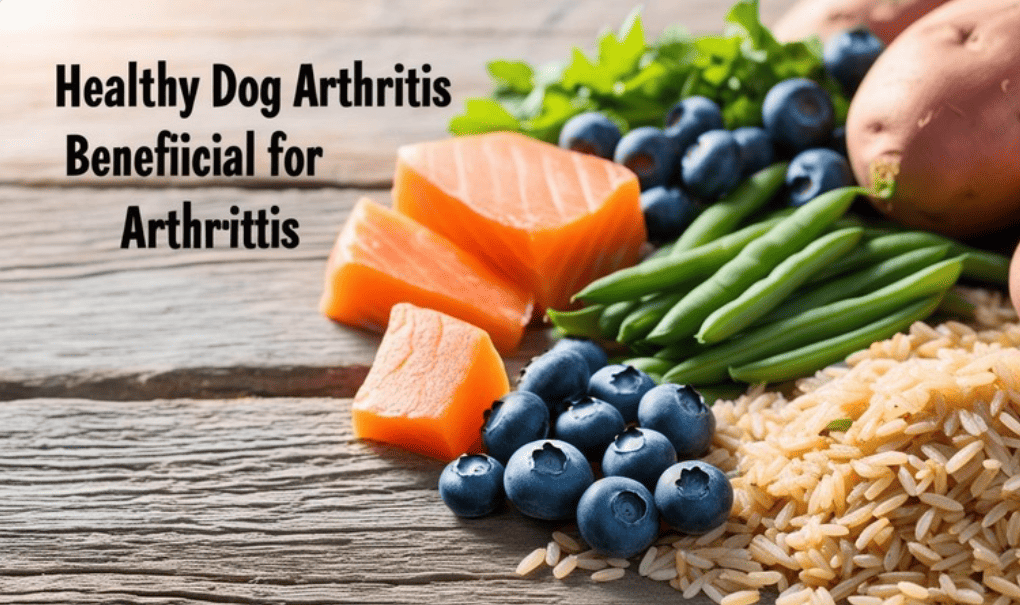
- Omega-3-Rich Foods: Fatty fish like salmon, sardines, and mackerel reduce inflammation. Consider fish oil supplements for concentrated benefits.
- Anti-Inflammatory Spices: Turmeric (with black pepper for absorption) and ginger may ease joint discomfort.
- Leafy Greens & Berries: Spinach, kale, and blueberries provide antioxidants to combat inflammation.
- Lean Proteins: Chicken, turkey, and eggs maintain muscle mass without excess calories.
- Joint Supplements: Look for glucosamine, chondroitin, and MSM in diets or as additives.
What Should a Dog with Arthritis Not Eat?
- High Omega-6 Fats: Avoid corn oil, sunflower oil, and processed meats that can worsen inflammation.
- Excessive Carbs/Sugars: These contribute to weight gain, stressing joints. Skip sugary treats and low-quality kibble with fillers.
- High-Sodium Foods: Excess salt can dehydrate and affect kidney health.
- Toxic Ingredients: Never feed grapes, onions, or xylitol-containing products (common in some peanut butters).
Are Scrambled Eggs Good for Dogs with Arthritis?
Yes! Eggs are a lean protein source rich in amino acids and vitamins. Cook them plain (no oil, butter, or seasoning) as an occasional treat. While not a cure, they support overall health.
What Is a Good Dog Food for Arthritis?
Opt for high-quality commercial diets labeled for joint health, such as:
- Hill’s Prescription Diet Mobility
- Royal Canin Joint Care
- Blue Buffalo Blue Natural Veterinary Diet Mobility Support
Ensure formulas include omega-3s, glucosamine, and antioxidants. Homemade diets (vet-approved) with lean proteins and veggies are also an option.
What Should I Give My Dog for Arthritis?
- Diet: Prioritize anti-inflammatory ingredients and weight management.
- Supplements: Fish oil, glucosamine/chondroitin, and CBD oil (consult your vet).
- Exercise: Low-impact activities like swimming maintain joint flexibility.
- Medications: NSAIDs or pain relievers prescribed by a vet.
- Comfort: Orthopedic beds and ramps to reduce jumping.
Is Peanut Butter Good for Dogs with Arthritis?
In moderation, xylitol-free peanut butter is safe and a tasty way to hide supplements. However, it’s calorie-dense, so limit portions to avoid weight gain. While not anti-inflammatory, it’s a useful occasional treat.
Final Tips
- Weight Management: Extra pounds strain joints—keep your dog lean.
- Hydration: Ensure fresh water is always available.
- Vet Collaboration: Always consult your vet before dietary changes or supplements.
By combining a targeted diet, supplements, and lifestyle adjustments, you can help your arthritic dog live more comfortably. Every pup is unique, so tailor strategies to their specific needs with professional guidance


 English
[…] Managing Canine Arthritis Through Diet: What Feed and Avoid […]
https://knowlittle123.com/what-should-a-dog-with-arthritis-not-eat-a-guide-to-protecting-your-pups-joints/